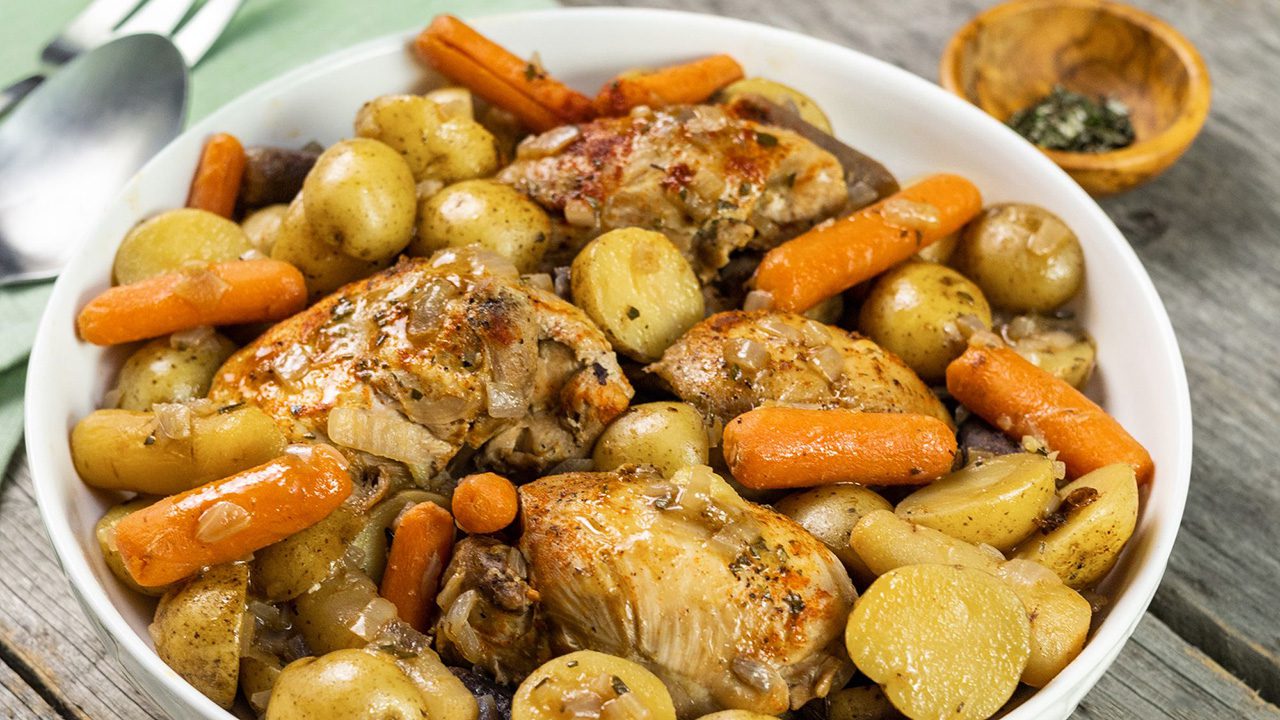
Easy Braised Chicken Thighs: Your New Weeknight Dinner Hero
Imagine a dish that tastes like it took hours of complex culinary effort, yet secretly requires minimal active cooking time. A meal so rich in flavor, so incredibly tender, it effortlessly elevates a simple weeknight dinner into something truly special. Welcome to the world of
braised chicken thighs – a culinary secret weapon that promises to wow your taste buds and simplify your kitchen routine. This isn't just another chicken recipe; it's an invitation to unlock a depth of flavor and succulence that only the time-honored technique of braising can achieve.
Braised chicken thighs have long been a favorite of chefs and home cooks alike, and for good reason. They offer the perfect balance of robust flavor, forgiving resilience, and an astonishingly tender texture that practically melts in your mouth. Forget dry, bland chicken; with braising, you're signing up for juicy, fall-off-the-bone goodness enveloped in a rich, savory sauce just begging to be sopped up. If you've never ventured into the art of braising before, prepare to be absolutely delighted by how easy and rewarding this method can be.
The Magic Behind Braising: Unpacking the Two-Step Method
Braising might sound like a sophisticated technique reserved for professional kitchens, but it's deceptively simple and one of the most effective ways to transform humble ingredients into extraordinary meals. At its heart, braising is a classic cooking technique that beautifully marries two distinct heating methods: dry heat and moist heat. This ingenious two-step process is the secret to why
braised chicken thighs achieve such unparalleled flavor and tenderness.
First, the dry heat. This typically involves
searing your bone-in, skin-on chicken thighs in a hot pan (often a Dutch oven or a braiser) until the skin is beautifully golden-brown and crispy. This crucial step serves several purposes:
- Flavor Development: The high heat initiates the Maillard reaction, a complex chemical process that creates hundreds of new flavor compounds, imparting that deep, savory, caramelized taste and appealing aroma.
- Fat Rendering: Searing helps to render the fat from the chicken skin, resulting in a crispy, flavorful exterior and preventing a greasy final dish.
- Texture Contrast: It sets the stage for a delightful contrast between the perfectly crisp skin and the tender meat within.
Once the chicken is seared and removed, the next stage introduces moist heat. Aromatic vegetables (like onions, carrots, and celery), herbs, and liquids (wine, broth, tomatoes, citrus juice) are added to the pot, often deglazing the flavorful fond left by the chicken. The seared chicken is then returned to the pot, partially submerged in the liquid, covered, and cooked slowly at a low temperature, either on the stovetop or in the oven. This slow, gentle cooking in a moist environment works wonders:
- Tenderization: The sustained low heat slowly breaks down the connective tissues and collagen in the chicken thighs, transforming tough fibers into succulent gelatin. This is what makes the meat incredibly tender and juicy.
- Flavor Infusion: The chicken absorbs the flavors from the braising liquid, while simultaneously enriching the liquid with its own savory essence, creating a harmonious and complex sauce.
- Self-Saucing: The braising liquid naturally reduces and concentrates, becoming a ready-made, flavorful sauce or gravy that complements the chicken perfectly.
The combination of searing for flavor and slow cooking for tenderness is truly the best of both worlds, making braised dishes like our chicken thighs a culinary marvel. For a deeper dive into mastering this method, check out our guide on
Master Tender Braised Chicken Thighs: The Two-Step Method.
Why Chicken Thighs Are the Unsung Heroes of Braising
While you can technically braise various cuts of meat,
chicken thighs are particularly well-suited for this method, emerging as true culinary stars. Here's why they are the ideal choice for creating incredibly flavorful and tender results:
- Natural Juiciness: Dark meat, like chicken thighs, contains more fat and connective tissue than leaner breast meat. This means it's inherently more forgiving and resistant to drying out during the longer cooking times of braising. The fat renders beautifully, keeping the meat moist and flavorful.
- Bone-In, Skin-On Advantage: We highly recommend using bone-in, skin-on chicken thighs. The bone contributes a significant amount of flavor and helps conduct heat evenly, while the skin crisps up gorgeously during the initial searing, adding a layer of texture and richness that's simply irresistible. The rendered fat from the skin also forms the base for a deeply flavorful braising liquid.
- Rich Flavor Profile: Chicken thighs inherently possess a more robust and pronounced chicken flavor compared to breast meat, which intensifies beautifully through the braising process.
- Economic and Accessible: Chicken thighs are often a more economical cut than breasts, making them a fantastic option for a budget-friendly yet gourmet-tasting meal. They are also widely available in any grocery store.
- Holds Up Well to Slow Cooking: Unlike leaner cuts that can become stringy or dry with prolonged heat, chicken thighs thrive under low and slow cooking, becoming meltingly tender without losing their integrity.
These qualities make chicken thighs not just suitable for braising, but exceptionally good at it, guaranteeing a consistently delicious outcome every time.
A World of Flavor: Inspiring Your Braised Chicken Thighs
One of the most exciting aspects of making
braised chicken thighs is the incredible versatility it offers in terms of flavor profiles. The braising liquid acts as a canvas, allowing you to infuse your chicken with a myriad of culinary influences from around the globe. Drawing inspiration from classic combinations and innovative pairings, here are a few ideas to ignite your imagination:
Sunny Mediterranean & Citrus Burst
Inspired by the vibrant flavors of the Mediterranean, this profile celebrates the bright zest and tang of citrus with aromatic herbs. Imagine juicy chicken thighs infused with:
- Lemon: Both fresh lemon juice and zest provide a sunny, uplifting acidity and fragrant aroma.
- Garlic & Cumin: These foundational spices offer warmth and depth, creating a truly inviting base.
- Coriander: Using both ground and crushed coriander seeds introduces a nuanced, almost second lemony element with a subtle earthiness.
- Fresh Basil: Torn basil leaves added at the end lend a sweet, floral perfume that brightens the entire dish.
- Optional additions: Consider adding cherry tomatoes, artichoke hearts, or a splash of white wine for added complexity. This profile is incredibly refreshing and perfect served over couscous or with crusty bread to soak up the sauce.
Nordic & European Savory Delight
This flavor combination delves into the cozy, earthy notes often found in European and Scandinavian cuisine, showcasing ingredients with a shared aromatic chemistry.
- Caraway & Dill: These two herbs are a match made in culinary heaven, frequently appearing together in breads, braises, and fermented dishes. They share the spicy-smelling terpenoid compound D-carvone, creating a harmonious and distinctive flavor.
- White Wine: A dry white wine provides a pleasant acidity that cuts through richness and adds depth.
- Crème Fraîche: A generous scoop of rich, milky crème fraîche stirred in at the end adds a luxurious creaminess, balancing the acidity and rounding out the flavors beautifully.
- Serving Suggestion: This profile is wonderfully comforting alongside mashed potatoes or spaetzle, allowing the creamy sauce to be fully appreciated.
Southern Italian & Anise-Kissed Elegance
Evoking the sun-drenched coastlines of Southern Italy, this profile blends the unique notes of anise with bright citrus and briny olives.
- Fennel: Both fresh fennel bulb (sliced and braised until tender) and a touch of an anise-flavored liqueur like Pernod or Sambuca (if you enjoy the licorice note) create an incredibly aromatic and sophisticated base.
- Orange: Tangy orange juice and zest provide a sweet, vibrant counterpoint to the anise and richness of the chicken.
- Castelvetrano Olives: These bright green, buttery, and slightly salty olives add a wonderful peppery kick and briny pop that truly transports you to the Mediterranean.
- Serving Suggestion: Fantastic over a bed of al dente pasta or creamy polenta, with a sprinkle of fresh parsley for color and freshness.
These are just starting points. Feel free to experiment with different wines, broths, vegetables, and spices to create your own signature
braised chicken thighs masterpiece!
Mastering the Braising Process: Practical Tips for Success
While the braising method itself is straightforward, a few key techniques and tips can ensure your
braised chicken thighs turn out perfectly every time:
- Choose the Right Pot: A heavy-bottomed pot that can go from stovetop to oven is ideal. A Dutch oven or a dedicated braiser with a tight-fitting lid is perfect. The even heat distribution and ability to retain moisture are crucial.
- Don't Skip the Searing: This step is non-negotiable for flavor. Ensure your pan is hot and don't overcrowd the chicken, searing in batches if necessary. Let the skin get deeply golden and crispy before flipping.
- Deglaze for Flavor: After searing the chicken and sautéing aromatics (like onions, carrots, and celery in a little olive oil or butter), pour in your liquid (wine, broth) and scrape up any browned bits stuck to the bottom of the pan. This "fond" is pure flavor gold!
- Maintain the Right Liquid Level: The chicken should be partially, but not completely, submerged in the braising liquid. Aim for about halfway up the sides of the chicken. Too much liquid will boil the chicken; too little will dry it out.
- Low and Slow is Key: Braising is not a race. Cook at a low temperature (around 300-325°F or a gentle simmer on the stovetop) for a longer duration. This is where the magic of tenderization happens.
- Check for Doneness: The chicken is done when the meat is incredibly tender and easily pulls away from the bone. An instant-read thermometer should register 175-185°F (80-85°C) for optimal tenderness in dark meat, though taste and texture are better guides than a precise temperature for braised chicken thighs.
- Rest Before Serving: Like any cooked meat, allow the braised chicken thighs to rest for 5-10 minutes after coming out of the heat. This allows the juices to redistribute, ensuring maximum succulence.
- Make a Gravy: The braising liquid is a treasure. You can thicken it into a luscious gravy by removing the chicken, skimming excess fat, and reducing the liquid, or by whisking in a cornstarch slurry or a roux made with butter and flour.
Serving Suggestions & The Joy of Leftovers
Once your easy
braised chicken thighs are cooked to perfection, the serving possibilities are endless. They pair wonderfully with classic comfort sides like creamy mashed potatoes, fluffy rice, or polenta, all of which are excellent for soaking up that delicious, savory sauce. For a lighter meal, consider serving them with roasted vegetables, a vibrant green salad, or simple steamed greens.
And here's the best part: braised dishes often taste even better the next day! The flavors have more time to meld and deepen, making leftovers a coveted treat. Simply store any extra braised chicken and sauce in an airtight container in the refrigerator for up to 3-4 days, then gently reheat on the stovetop or in the oven. It's perfect for a quick lunch or another effortless dinner later in the week.
Elevate Your Weeknight with Braised Chicken Thighs
From its humble origins to its spectacular culinary capabilities,
braised chicken thighs stand out as a truly remarkable dish. It's a testament to how simple techniques, when applied thoughtfully, can yield extraordinary results. By understanding the two-step magic of searing and slow cooking, and by embracing the versatile nature of flavor combinations, you can transform an everyday ingredient into a meal that feels both gourmet and incredibly comforting. So, next time you're planning your weeknight menu, reach for those chicken thighs, fire up your Dutch oven, and prepare to elevate your dinner experience with this utterly delicious and surprisingly easy technique.