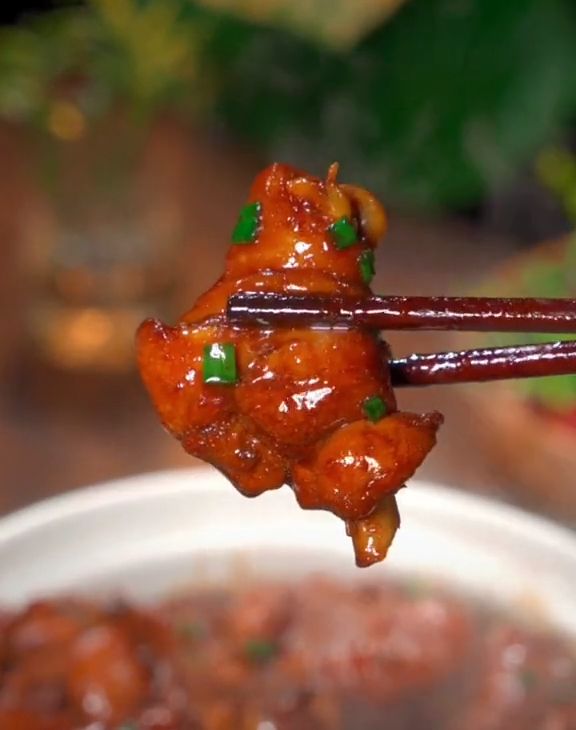
Master Tender Braised Chicken Thighs: The Two-Step Method for Unforgettable Flavor
Imagine a dish that effortlessly transforms a simple weeknight meal into a gourmet experience, boasting meat so tender it practically melts in your mouth, enveloped in a rich, savory sauce. This culinary magic isn't a secret held by professional chefs; it's the accessible art of braising, and it's particularly spectacular when applied to the humble chicken thigh. If you've never ventured into the world of braised chicken thighs, prepare to be utterly wowed. This classic technique, often perceived as complex, is secretly one of the easiest ways to imbue your dinner with incredible depth and flavor, all thanks to its ingenious two-step method.
Braising isn't just a cooking method; it's a celebration of patience and flavor development. It combines the best of both worlds: the transformative power of dry heat for irresistible browning, followed by the gentle embrace of moist heat for unparalleled tenderness. The result? A dish that feels special and satisfying, perfect for a cozy family dinner or an impressive gathering.
The Two-Step Secret: Unpacking the Braising Method
At its heart, braising is a simple yet profound technique that delivers consistently delicious results. For braised chicken thighs, this process involves two crucial stages:
Step 1: The Glorious Sear (Dry Heat)
The journey to perfectly braised chicken thighs begins with searing. This initial step, often overlooked in its importance, is where much of the magic happens. Bone-in, skin-on chicken thighs are your best friends here. You’ll pan-sear them in a hot, heavy-bottomed pot (like a Dutch oven) with a good glug of olive oil. The goal is to achieve a deep, golden-brown crust on the skin.
Why is this sear so vital?
- Maillard Reaction: This scientific marvel is responsible for the complex, savory flavors and appetizing aromas that develop when food browns. It’s what gives the chicken its first layer of profound taste.
- Crispy Skin Foundation: While the skin won't remain shatteringly crisp throughout the braising process, searing it first renders out much of the fat, giving it a delightful texture and preventing it from becoming rubbery.
- Flavor Base: The fond – those browned bits that stick to the bottom of the pan – is pure gold. It's packed with concentrated flavor that will later be deglazed and integrated into your sauce.
Once beautifully browned, the chicken thighs are typically removed from the pot, making way for the next stage of flavor building.
Step 2: The Gentle Simmer (Moist Heat)
With the chicken seared, the second phase begins: slow cooking in a flavorful liquid. This is where the tenderizing action takes place. Aromatics like onions, carrots, and garlic are often sautéed in the rendered chicken fat (and a touch of butter, perhaps!) until softened, building another layer of taste. Then, the braising liquid – typically a combination of wine, broth, and sometimes herbs or spices – is added, often deglazing the pan and incorporating all that wonderful fond.
The seared chicken thighs are then nestled back into the pot, submerged partially in the liquid, covered, and gently cooked. While stovetop simmering is an option, a stove-to-oven method is often preferred. The consistent, all-around heat of the oven ensures even cooking, resulting in:
- Meltingly Tender Meat: The low and slow cooking process breaks down the connective tissues in the chicken thighs, transforming them into incredibly succulent, fork-tender morsels.
- Deep Flavor Infusion: As the chicken slowly simmers, it absorbs the rich flavors of the braising liquid and aromatics, ensuring every bite is infused with deliciousness.
- A Built-in Sauce: The braising liquid naturally reduces and concentrates, creating a savory, ready-made sauce that is the perfect accompaniment to your chicken.
The active cooking time for braised chicken thighs is surprisingly short; most of the magic happens passively as the dish slowly cooks to perfection.
Why Chicken Thighs Are the Star of Braising
While you *could* braise other cuts, chicken thighs truly shine in this method. There are several reasons why they are the preferred choice for this technique:
- Resilience: Thigh meat is forgiving. Unlike chicken breast, which can easily dry out, thighs remain juicy and tender even after extended cooking times. Their higher fat content contributes significantly to this.
- Flavor Powerhouse: Bone-in, skin-on thighs offer a superior flavor profile. The bone contributes marrow and other compounds that enrich the braising liquid, while the skin (when seared correctly) adds depth and texture.
- Affordability: Chicken thighs are typically more budget-friendly than breast meat, making this a fantastic option for a cost-effective yet luxurious meal.
- Visual Appeal: Their compact shape and rich browning make for a visually appealing presentation in the finished dish.
While chicken drumsticks or other bone-in chicken cuts can also be used, the uniform size and robust nature of thighs make them ideal for consistent results in braising.
Embarking on a Flavor Adventure: Global Braised Chicken Thighs
One of the most exciting aspects of braising is its incredible versatility. The foundational two-step method provides a canvas for a myriad of global flavors. From bright and tangy to rich and savory, you can transport your taste buds around the world.
Consider these inspiring flavor combinations:
- Mediterranean Zest: Evoke the sun-drenched coasts with a vibrant blend of lemon juice and zest, fragrant garlic, earthy cumin, and a unique "second lemony element" from ground and crushed coriander seeds. Fresh, torn basil adds a sweet, floral perfume. For a Southern Italian twist, introduce the intriguing licorice notes of fennel (both fresh and a splash of Pernod or Sambuca), paired with tangy orange juice and zest, and the briny, peppery kick of Castelvetrano olives. These combinations highlight the region’s love for fresh, bold flavors. For more ideas to brighten your braises, you might want to delve into how to Explore Citrus, Caraway & Mediterranean Braised Chicken Thighs.
- Northern European Comfort: Journey north to explore the delightful affinity between caraway and dill, often found together in European and Scandinavian breads, braises, and fermented dishes. Both ingredients share the spicy-smelling terpenoid compound D-carvone, creating a harmonious and comforting flavor profile. Deploy this pair with a splash of acidic white wine balanced by a generous scoop of rich, milky crème fraîche for a truly hearty and warming dish.
- Classic Savory: Sometimes, the simplest approach is the most satisfying. A foundational "poulet au vinaigre" style braise, focusing on pure, satisfying chicken flavor, perhaps with just a touch of vinegar for brightness and a medley of root vegetables and fresh herbs, can be incredibly comforting.
Beyond these specific ideas, the beauty lies in building your own flavor base. Start with sautéed onions and carrots, then add your choice of fresh herbs (rosemary, thyme, sage), spices (paprika, smoked paprika, chili flakes), and liquids like chicken broth, cider, or even beer. The possibilities are endless!
Crafting the Perfect Sauce and Serving Your Masterpiece
The beauty of braised chicken thighs lies not only in the tender meat but also in the rich, savory liquid it cooks in. This braising liquid *is* your sauce, packed with all the developed flavors of the chicken, aromatics, and added liquids.
Here’s how to perfect it:
- Naturally Reduced: Often, the liquid will have naturally reduced and concentrated during cooking, creating a flavorful, pourable sauce.
- Thicken for Gravy: If you prefer a thicker gravy, you can remove the chicken, skim any excess fat from the liquid, and then simmer it on the stovetop until it reduces further. For an even thicker consistency, whisk a cornstarch slurry (cornstarch mixed with a little cold water) into the simmering liquid until it reaches your desired thickness.
- Season to Taste: Always taste and adjust seasoning (salt, pepper, a dash of acidity like vinegar or lemon juice) before serving.
Serving your masterfully braised chicken thighs is part of the pleasure. The rich sauce begs for something to soak it up:
- Mashed Potatoes: A classic pairing, creamy mashed potatoes are ideal for absorbing every drop of that delicious sauce.
- Rice: Whether it's fluffy white rice, brown rice, or even a fragrant pilaf, rice provides a wonderful base.
- Polenta: Creamy polenta offers a sophisticated and comforting accompaniment.
- Crusty Bread: Don't underestimate the simple joy of tearing off a piece of crusty bread to mop up every last bit of sauce.
- Roasted Vegetables: A side of roasted asparagus, green beans, or broccoli adds freshness and color.
And the best part? Braised chicken thighs are even better the next day. The flavors deepen and meld overnight, making leftovers a fantastic option for a quick and delicious lunch or another easy dinner during the week. In fact, braising is a fantastic technique for making weeknight dinners feel effortless and special, as explored in
Easy Braised Chicken Thighs: Elevate Your Weeknight Dinner.
In conclusion, mastering tender braised chicken thighs using the two-step method is a truly rewarding culinary endeavor. It's a testament to how simple techniques, when executed thoughtfully, can yield incredibly complex and comforting results. From the initial flavor-building sear to the tenderizing slow simmer, each step contributes to a dish that is rich, satisfying, and deeply flavorful. So, grab your Dutch oven, choose your favorite flavor profile, and prepare to create a meal that will impress both your palate and your guests.